
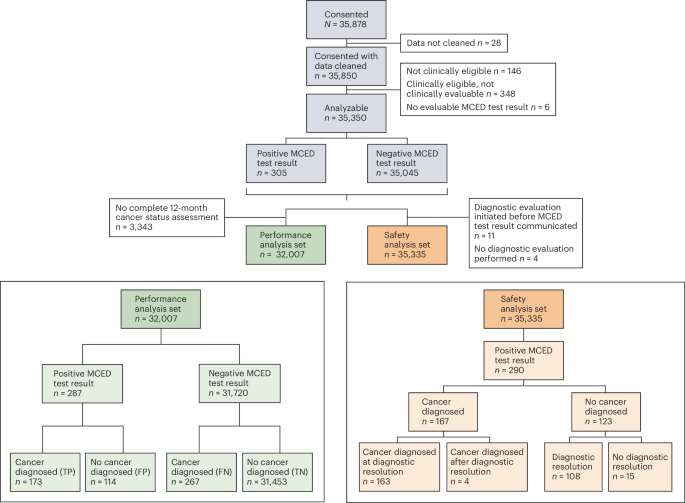
A massive new study is offering hope for the early detection of various forms of cancer that currently have no standard screening guidelines. In a medical landscape where over seventy percent of cancer deaths stem from types that aren’t regularly screened, researchers conducted the PATHFINDER 2 study to evaluate a blood based multi cancer early detection test. By analyzing methylation patterns in cell free DNA fragments from simple blood draws, the test aims to spot signals of malignancy and pinpoint where in the body the cancer may be originating long before symptoms appear.
The scale of the trial was significant, involving nearly thirty six thousand participants aged fifty and older who showed no clinical signs of illness. The results revealed a high level of precision, with a specificity rate of ninety nine point six percent, meaning very few healthy people were incorrectly flagged. While the overall cancer detection rate sat at zero point five four percent, the test proved remarkably accurate at predicting the origin of the cancer signal once it was found, boasting an accuracy rate of over ninety one percent.
Safety remains a primary concern whenever new screening tools are introduced, particularly regarding unnecessary invasive procedures following a positive result. However, data from the study suggests these risks are manageable. Only about zero point six percent of participants underwent invasive procedures after receiving a positive test result, and more than ninety percent of those interventions were non surgical. Crucially, there were no serious study related adverse events reported throughout the twelve month follow up period.
While these findings mark a promising step forward in preventative medicine, experts caution that further research is necessary before such tests become routine practice. Future randomized trials and longer observation periods will be essential to determine exactly how much these tests improve patient outcomes and survival rates compared to current care. For now, PATHFINDER 2 provides strong evidence that a single blood test could eventually help fill the gaps in our existing cancer screening infrastructure.