
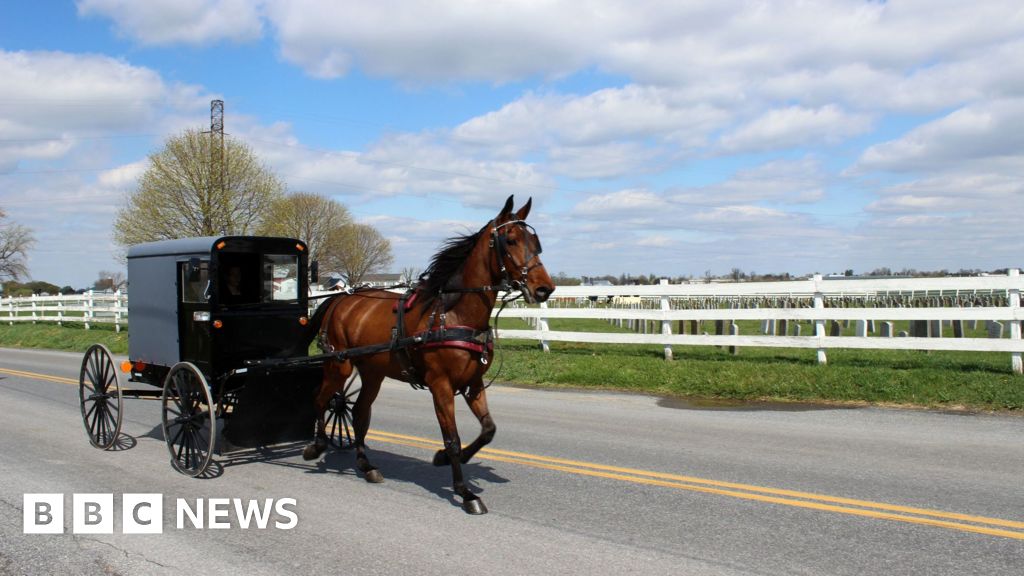
For nurse Dale Weiser, the fight against the deadliest measles outbreak in recent U.S. history doesn’t happen in a sterile clinic, but often around a wooden kitchen table in rural Pennsylvania. As a clinical supervisor for the Chester County Health Department, Weiser spends her days driving thirty miles into heartland communities where the Amish live, walking into the homes of strangers to offer vaccinations. Her goal is to bridge a gap created by geography and lifestyle, reaching a population that largely abstains from modern technology and rarely interacts with Western medical systems.
The urgency of these visits is underscored by a grim toll. State health officials report four deaths resulting from measles complications—including two newborns—marking the most lethal surge since 1992. Because the Amish are highly social within their own circles, the virus spreads rapidly through church groups once it takes hold. While some residents harbor deep suspicions fueled by internet myths about microchips or magnetism, experts say much of the vulnerability comes down to simple accessibility. Many families lack health insurance or reliable transportation to distant clinics, meaning they simply haven’t had the opportunity to get immunized.
To combat this, health officials have adopted a boots-on-the-ground strategy reminiscent of those used during the pandemic. By knocking on doors and offering private vaccinations in family homes, nurses are able to bypass the stigma of changing one’s mind or the logistical hurdle of traveling to a city center. Jeanne Franklin, director of the health department, noted that many residents prefer these discreet visits over public clinics. This personal touch allows providers like Weiser to build trust through conversation and direct answers rather than relying on social media posts that would never reach her target audience anyway.
Despite political frictions at higher levels of government regarding vaccine policy, the reality on the ground remains focused on survival and prevention. Since late April, thousands of doses have been administered via pop-up clinics and home visits throughout Pennsylvania. For many parents in these tight-knit communities who are terrified after watching neighbors fall ill, these doorstep interventions provide a critical lifeline for their children in an environment where traditional healthcare feels worlds away.