
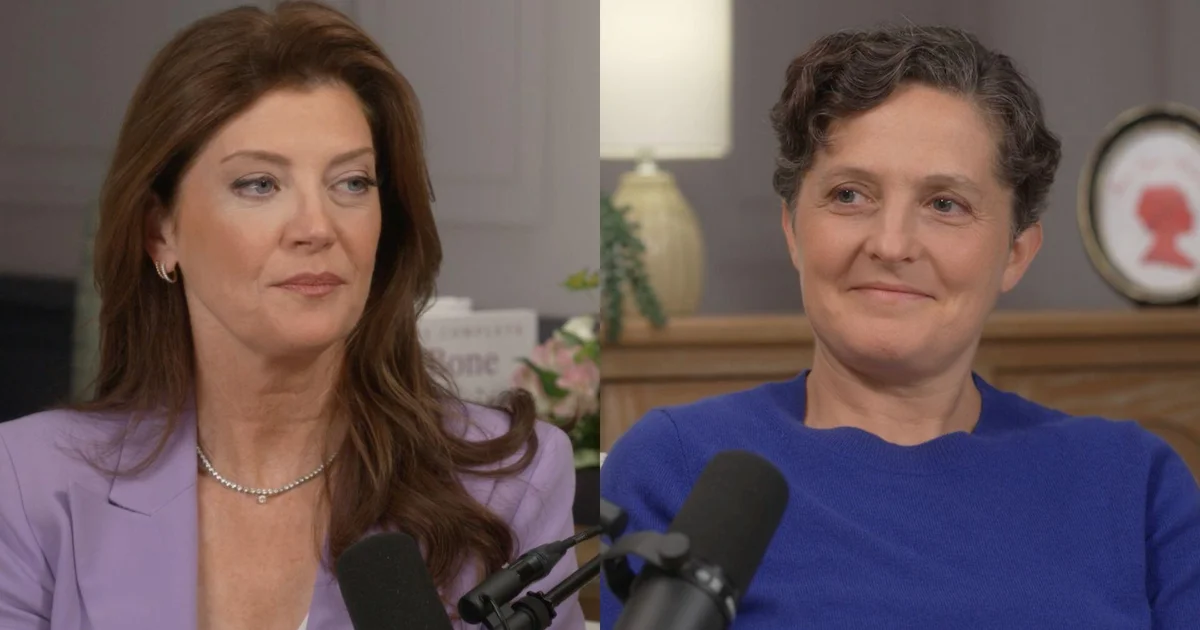
For many women, bone loss is a quiet process that goes unnoticed until a sudden fracture reveals the damage. According to Dr. Jocelyn Wittstein, an orthopedic surgeon at Duke University School of Medicine, seven out of ten American women will face osteopenia or osteoporosis in their lifetime. She describes it as a silent disease because you cannot feel your bones weakening, yet the rate of decline accelerates sharply during the transition into menopause. While many patients only seek help after a break has already occurred, Dr. Wittstein warns that early detection is the only way to stop the progression toward severe osteoporosis.
One of the most critical steps for prevention is securing a DEXA scan much earlier than current medical norms often suggest. While these scans are frequently reserved for women aged 65 and older, Dr. Wittstein argues that women should begin requesting them around age 50 during the menopausal transition. This simple fifteen minute test provides a T-score that compares a woman’s bone density to that of a healthy thirty year old. Identifying weak bones through this score allows women to intervene before their skeletal structure becomes dangerously fragile.
Beyond screening, lifestyle choices serve as the first line of defense against density loss. Strength training and high impact exercises, such as jumping jacks or squats, signal the body to build denser tissue around the bone. This physical fortitude does more than just harden the skeleton; it improves overall balance and stability. This is vital because hip fractures can be devastatingly lethal, with data suggesting nearly thirty percent of people who suffer one pass away within two years. Whether starting slowly or lifting heavy weights, any amount of resistance training is better than none.
Nutrition also plays a complex role that extends beyond just taking calcium supplements. Dr. Wittstein emphasizes that minerals must work in tandem to be effective: magnesium activates vitamin D, which then absorbs calcium, while vitamin K directs those nutrients specifically toward bone mineralization. A diet rich in fatty fish, eggs, fruits, and vegetables ensures these micronutrients and anti inflammatory fibers are present. Additionally, some women may find benefit in hormone replacement therapy to counteract the drop in estrogen that triggers rapid bone loss during menopause, though this requires careful consultation with a physician to determine if it is safe for their specific health history.