
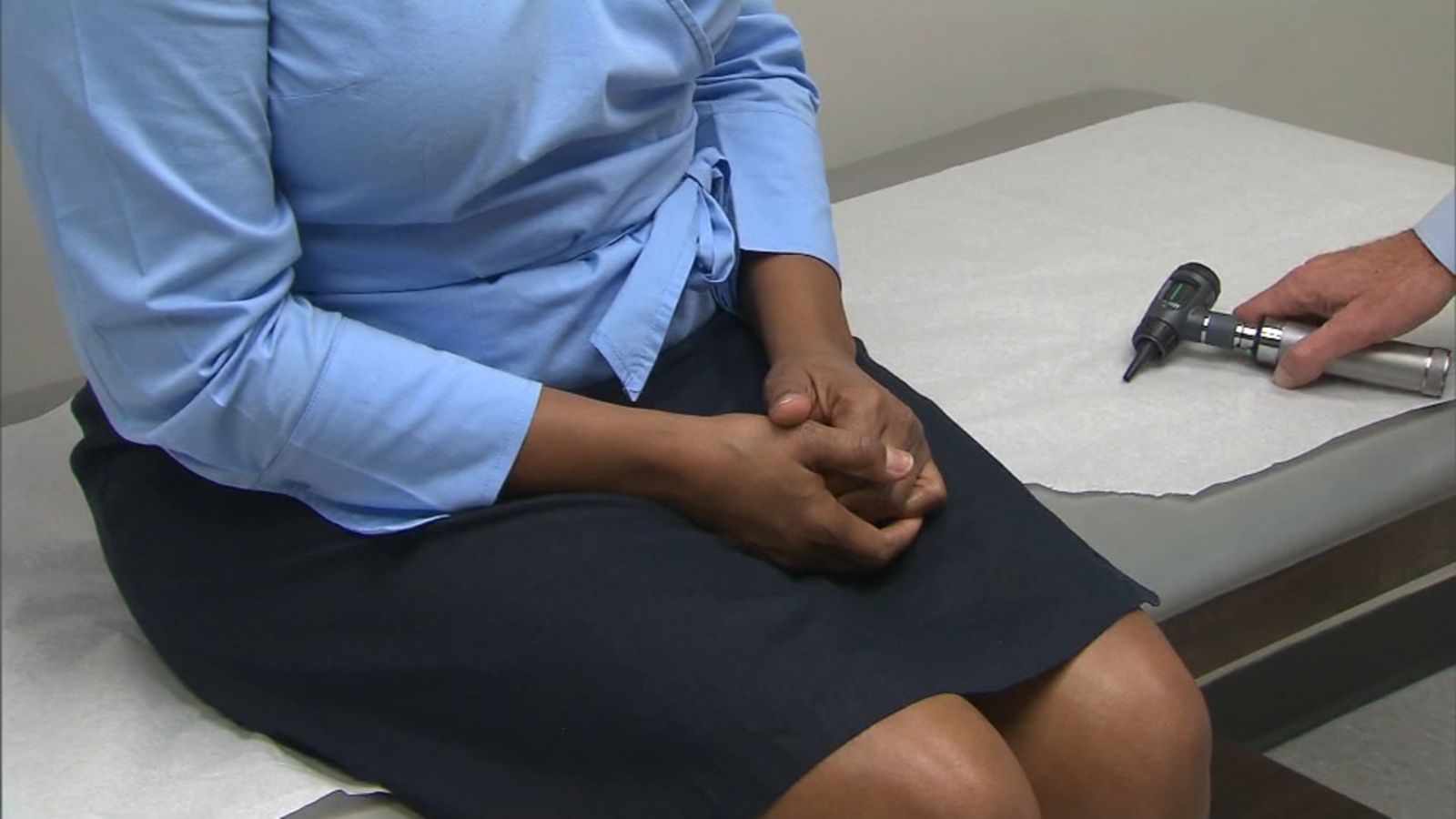
A recent survey conducted by Gallup and the organization Pivotal reveals a troubling trend in American healthcare, showing that one third of women have struggled to get doctors to take their physical symptoms seriously. While securing an appointment is already a hurdle for many, the experience inside the exam room often proves even more frustrating. More than half of the women surveyed reported negative interactions with healthcare providers, frequently noting that their pain was minimized or their concerns were dismissed entirely. This gap is stark when compared to men, who report these dismissive experiences at a significantly lower rate.
Medical experts suggest this disparity is rooted in deep seated gender biases that have persisted for centuries. Dr. Kimi Chernoby, an ER physician and chief legal officer of the FemInEM Foundation, notes that there is a long history of not believing women in clinical settings. This systemic issue often leads to dangerous outcomes, such as missed diagnoses for heart attacks because women may not exhibit traditional male symptoms, or overlooked warning signs of postpartum hemorrhage. Because women are often perceived as being overly dramatic about their pain, they are forced to advocate for themselves far more aggressively than men just to receive basic care.
The consequences of this medical dismissal stretch far beyond the walls of the clinic, leaking into professional and personal spheres. According to Renee Wittemyer of Pivotal, lingering untreated health issues act as barriers to opportunity, preventing women from pursuing promotions or maintaining consistent work schedules. About 42 percent of female respondents said their health has limited their work over the last five years, with the numbers climbing even higher for Black and Hispanic women. When a patient isn’t heard by her doctor, it doesn’t just affect her wellness; it impacts her ability to provide for her family and grow in her career.
To combat these challenges, advocates urge women to remain persistent and enter appointments with structured priority lists to ensure their primary concerns are addressed quickly. Experts emphasize that while communication should be a partnership between clinician and patient, women should trust their instincts above all else. If a provider continues to minimize their suffering or ignore critical symptoms, specialists agree that seeking a second opinion or switching doctors entirely is often the safest and most effective path toward recovery.