
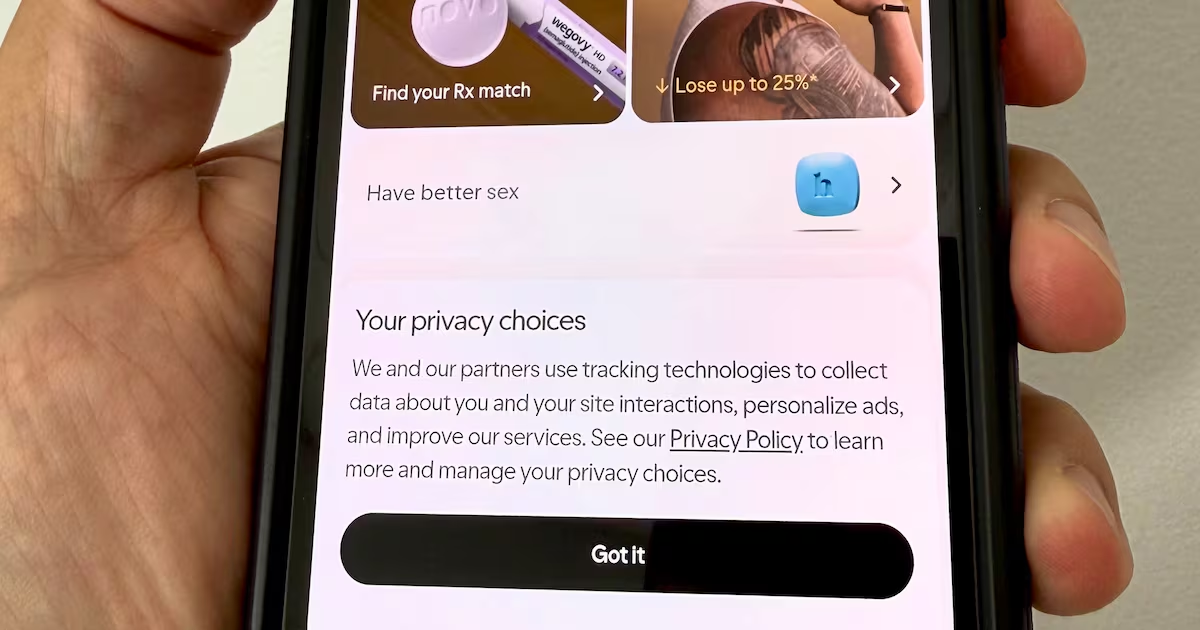
The convenience of modern telehealth is undeniable, allowing patients to skip the waiting room and secure prescriptions for everything from anxiety to weight loss in a matter of clicks. However, this streamlined experience comes with a hidden cost. Government regulators are increasingly sounding the alarm over a pattern of deceptive practices across the industry, alleging that several high profile platforms have routinely exposed sensitive customer medical data to advertising giants like Meta and Google without explicit consent.
Recent lawsuits from the Federal Trade Commission highlight a troubling trend where companies like Hims & Hers, BetterHelp, and GoodRx are accused of misleading users about the security of their information. While many consumers believe their digital records are shielded by HIPAA, that federal privacy law generally only covers traditional healthcare providers like hospitals and insurance companies. This creates a massive legal loophole for direct to consumer apps, leaving vast amounts of intimate health data vulnerable to being sold or shared with third party trackers.
Beyond privacy concerns, critics warn that the clinical quality of these services is often compromised. Many platforms rely on automated questionnaires rather than actual conversations with physicians, leading to prescriptions being issued in minutes without proper medical oversight. A recent study on weight loss drugs revealed that fewer than a third of analyzed companies required any real time audio or video consultation, potentially ignoring critical red flags such as eating disorders or dangerous drug interactions.
For patients who still wish to use these services, privacy experts suggest taking proactive steps to limit data exposure. Using ad blockers and incognito browsing modes can help prevent companies from tracking locations and browsing histories. More importantly, users are encouraged to scrutinize terms of service agreements carefully, as some platforms explicitly reserve the right to sell data regarding a user’s private life. Ultimately, because federal protections remain sparse, the only guaranteed way to keep medical data private is to avoid clicking agree on platforms with vague transparency policies.