
Republican candidates heading into the 2026 midterms are facing a steep climb as they attempt to convince voters they can actually fix a broken healthcare system. Recent polling suggests a significant gap in public trust, with Democrats leading Republicans by double digits on the issue. Even seasoned lawmakers like Representative Scott Perry admit that the party hasn’t done enough to earn voter confidence, noting that legislative efforts often stall in the Senate and leave constituents feeling like they are hearing talk instead of seeing results.
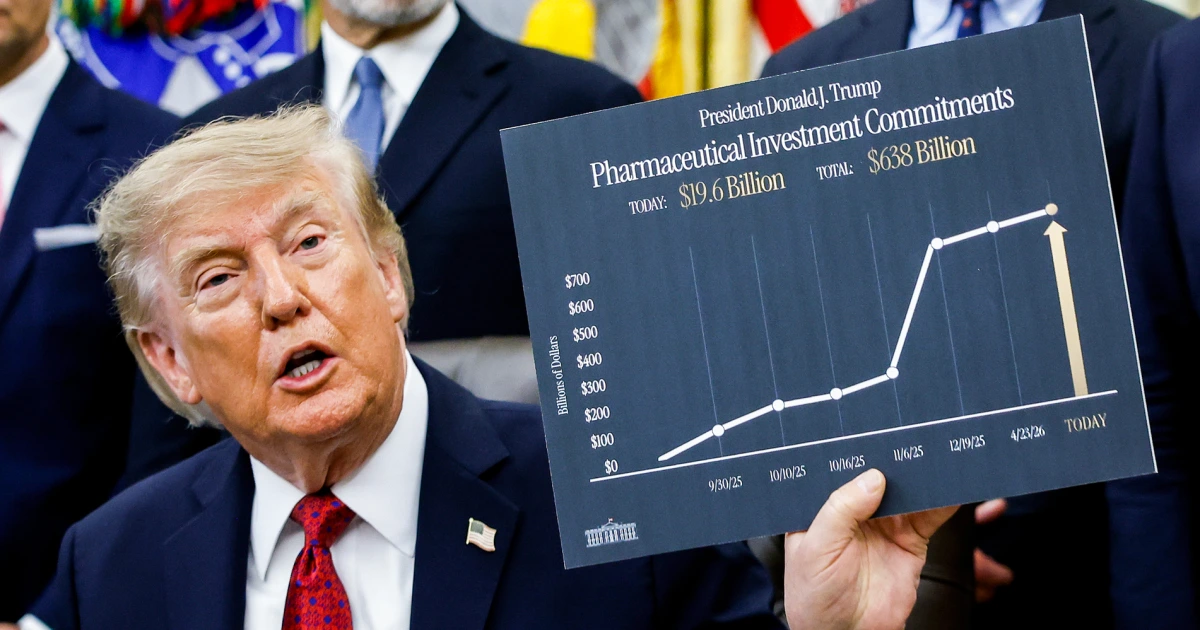
To counter this vulnerability, many GOP candidates are pivoting toward populist rhetoric, shifting the blame away from government policy and onto big insurance and pharmaceutical companies. In battleground states like Michigan, candidate Mike Rogers is focusing on prescription drug costs and hospital transparency to contrast himself with opponents pushing for universal coverage. Similarly, candidates in Iowa and New Jersey are framing themselves as fighters against corporate greed, claiming that insurance companies are ripping off American families. Strategists suggest these efforts aren’t necessarily meant to win the issue outright but rather to narrow the gap and appeal to critical demographics, particularly swing women voters.
However, critics argue that this new messaging clashes with the voting records of several prominent Republicans who supported massive Medicaid cuts and fought against funding for the Affordable Care Act. Democrats intend to lean heavily into these contradictions during the campaign, arguing that Republican actions have endangered millions of people’s access to care. House Minority Leader Hakeem Jeffries has already signaled that restoring this lost funding would be a primary objective should Democrats regain control of Congress.
Despite the aggressive campaigning on cost reduction, there remains a noticeable lack of a cohesive national plan within the Republican party for comprehensive healthcare reform. While some officials point toward fixing pharmacy benefit managers or improving efficiency, specific alternatives to current systems remain elusive. As candidates continue to attack big pharma on the trail, they face the difficult task of reconciling their anti-corporate rhetoric with a history of fiscal cuts that may alienate the very working class voters they are trying to attract.